
Introduction
Gaming has become more than just a hobby; it is now a serious pursuit for millions worldwide. Whether you are a casual player or an aspiring eSports competitor, having the right gaming hardware can make all the difference. From high-end graphics cards to responsive mechanical keyboards, the Gaming Tech world is constantly evolving with innovative devices designed to enhance performance and experience.
Keeping up with the Latest Gaming Hardware Reviews is essential. They provide insights into which components are worth investing in, highlight the latest trends, and help avoid wasting money on outdated or underperforming products. For beginners and intermediate gamers, the variety of options can be overwhelming. How do you know if a new graphics card is truly better than last year’s model? What makes a gaming monitor worth its price? These are questions answered through detailed hardware reviews.
What is Latest Gaming Hardware?
Latest gaming hardware refers to the newest or most advanced computer components and accessories designed specifically for gaming purposes. This includes:
- Graphics cards (GPUs): Responsible for rendering high-quality visuals and ensuring smooth gameplay.
- Processors (CPUs): Handle game calculations and multitasking.
- RAM (Memory): Supports faster loading times and efficient multitasking.
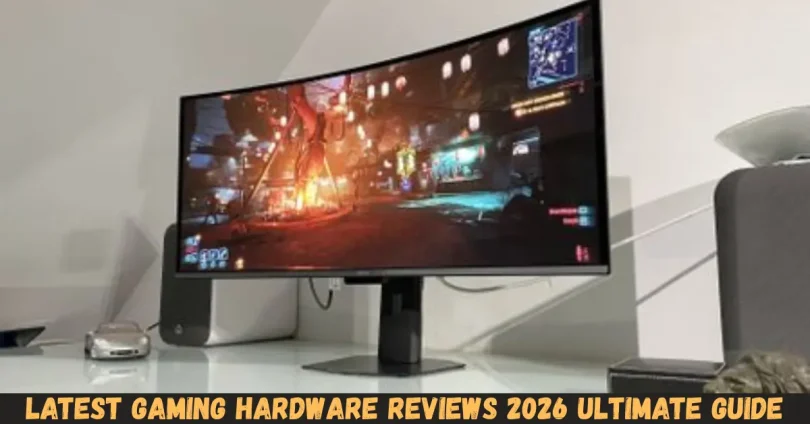
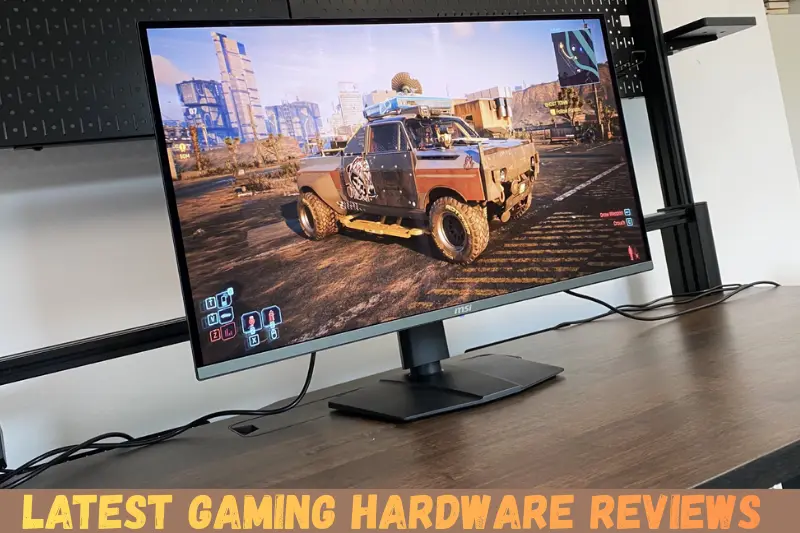
- Gaming monitors: Provide higher refresh rates and better color accuracy for immersive experiences.
- Keyboards and mice: Optimized for responsiveness and ergonomic comfort.
- Gaming headsets: Enhance audio clarity and communication.
- Cooling systems: Maintain optimal temperature for consistent performance.
In essence, gaming hardware is the backbone of any PC setup. It determines not only the quality of graphics and gameplay speed but also your overall gaming comfort. Staying updated with the latest releases ensures that you’re equipped to enjoy new games at their best potential.
Why is Latest Gaming Hardware Important?
Investing in the latest gaming hardware isn’t just about owning the newest gadgets; it impacts your gaming experience significantly. Here’s why it matters:
- Better Performance: Modern hardware can handle advanced graphics, high frame rates, and faster load times.
- Longevity: Up-to-date components reduce the need for frequent upgrades.
- Competitive Advantage: Gamers using superior hardware often experience faster response times, crucial in competitive gaming.
- Energy Efficiency: Newer devices consume less power while offering higher performance.
- Future-Proofing: Ensures compatibility with upcoming game titles and software updates.
For beginners, having the right hardware means fewer frustrations with lag or crashes. For intermediate gamers, it allows experimenting with higher settings, mods, and streaming without compromising performance. Essentially, hardware defines the quality, stability, and enjoyment of your gaming sessions.
Detailed Step-by-Step Guide to Choosing Gaming Hardware
Selecting the right gaming hardware can seem daunting, but breaking it into steps makes the process manageable.
Step 1: Identify Your Gaming Needs
Before purchasing, determine what games you play most often. High-end AAA titles require powerful GPUs and CPUs, while casual games can run smoothly on mid-range hardware.
- Example: If you enjoy competitive shooters like CS:GO or Valorant, focus on high refresh rate monitors and responsive peripherals.
- Example: For RPGs with heavy graphics, invest in a powerful graphics card and ample RAM.
Step 2: Set Your Budget
Gaming hardware ranges from budget-friendly to premium. Decide on a comfortable price range for your build. Remember, spending more doesn’t always equal better performance for your needs.
- Tip: Allocate around 40% of your budget to the GPU if gaming performance is a priority.
Step 3: Research the Latest Models
Read trusted gaming hardware reviews to compare features, performance benchmarks, and user experiences. Look for:
- Frame rate tests (FPS)
- Thermal performance
- Longevity and durability
- Compatibility with existing hardware
Step 4: Prioritize Components
Focus on the components that will have the most significant impact on your gaming experience:
- Graphics Card (GPU) – Essential for rendering visuals.
- Processor (CPU) – Determines game speed and multitasking efficiency.
- RAM – At least 16GB for modern gaming.
- Storage – SSDs for faster loading times.
- Monitor & Peripherals – Match specs to your gaming style.
Step 5: Check Compatibility
Ensure all components are compatible. For example, your motherboard should support the CPU socket type and RAM speed. The PSU (power supply unit) must handle the total wattage of all devices.
Step 6: Read User and Expert Reviews
User reviews provide real-world insights, while expert reviews offer benchmark tests. Combining both perspectives helps make an informed choice.
Step 7: Make Your Purchase and Install
Once confident, buy the hardware from reliable sources. Carefully follow installation guides or professional help to avoid mistakes.
Step 8: Test and Optimize
After installation, run stress tests and benchmarks. Update drivers and optimize settings for peak performance.
Benefits of Latest Gaming Hardware
Investing in the latest gaming hardware offers numerous advantages:
- Enhanced Graphics: Realistic visuals and smooth textures.
- Higher Frame Rates: Reduced lag for a competitive edge.
- Faster Loading Times: SSDs and high-speed RAM speed up gameplay.
- Better Multitasking: Handle streaming, recording, and gaming simultaneously.
- Long-Term Savings: Quality hardware lasts longer, reducing upgrade frequency.
- Improved Comfort: Ergonomic peripherals reduce fatigue.
These benefits make gaming more enjoyable, immersive, and efficient, whether for casual play or serious competitions.
Disadvantages / Risks
While the latest gaming hardware has many benefits, there are some drawbacks:
- High Cost: Premium components can be expensive.
- Rapid Obsolescence: Hardware can become outdated quickly.
- Compatibility Issues: New hardware may require other upgrades.
- Power Consumption: High-performance devices may use more electricity.
- Noise and Heat: Powerful GPUs and CPUs can generate heat and fan noise.
- Learning Curve: Beginners may struggle with installation or optimization.
Understanding these risks allows you to plan wisely and avoid unnecessary frustrations.
Common Mistakes to Avoid
Many gamers make avoidable errors when buying or upgrading hardware:
- Ignoring Benchmarks: Not checking real-world performance tests.
- Overspending on Unnecessary Features: Paying extra for specs you won’t use.
- Skipping Compatibility Checks: Resulting in hardware conflicts.
- Neglecting Cooling Solutions: Overheating can damage components.
- Ignoring PSU Requirements: Underpowered systems can fail or underperform.
- Buying Too Early: Waiting a few months may bring better deals or upgrades.
- Overlooking Warranty: Failing to secure protection in case of defects.
Avoiding these mistakes ensures you get the best value from your investment.
FAQs
1. What is the best gaming hardware for beginners?
For beginners, focus on mid-range GPUs, at least 16GB RAM, and an SSD. Reliable peripherals like a mechanical keyboard and responsive mouse improve your experience without overspending.
2. How often should I upgrade my gaming hardware?
Most gamers upgrade every 2–4 years, depending on performance needs and game requirements. High-end users may upgrade annually to stay competitive.
3. Is a high-end GPU worth it for casual gaming?
Not always. Casual games run well on mid-range GPUs. High-end GPUs are more beneficial for AAA titles or competitive gaming.
4. Do I need liquid cooling for my gaming PC?
Not necessarily. Air cooling is sufficient for most setups. Liquid cooling is useful for overclocking or high-end builds to maintain lower temperatures.
5. How do I know if my CPU is a bottleneck?
A bottleneck occurs when your CPU limits your GPU performance. Use benchmarking tools or monitor in-game FPS; significant drops indicate a bottleneck.
6. Are gaming monitors really necessary?
Yes, for a better experience. High refresh rates (144Hz or more) and low response times provide smoother gameplay, especially in fast-paced games.
7. Can I build a gaming PC without professional help?
Absolutely. Beginners can follow online guides, watch tutorials, and read reviews. However, consulting an expert is helpful if you feel unsure about installation.
8. Should I prioritize RAM or GPU first?
For most gamers, the GPU has a more significant impact on gaming performance. RAM upgrades help with multitasking and smooth gameplay but are secondary.
Expert Tips & Bonus Points
- Check Reviews Regularly: Hardware evolves rapidly, so keep updated with monthly or quarterly reviews.
- Consider Future Games: Invest in components that support upcoming game titles.
- Don’t Skip Peripherals: High-quality keyboards, mice, and headsets enhance your experience.
- Optimize Settings: Fine-tune in-game graphics settings to balance performance and visuals.
- Clean and Maintain Hardware: Dust and heat reduce lifespan; regular cleaning is crucial.
- Use Reliable Power Supply: Protects your components from electrical damage.
- Benchmark Before and After Upgrades: Helps track performance gains.
- Explore Second-Hand Market Cautiously: Can be cost-effective but check warranty and condition.
Conclusion
Keeping up with the latest gaming hardware reviews is essential for any gamer who wants to maximize performance and enjoy the best experience possible. From graphics cards and CPUs to monitors and peripherals, understanding the value of each component ensures informed purchasing decisions.
Investing in the right hardware improves gameplay, reduces lag, and future-proofs your system. At the same time, being aware of potential risks, avoiding common mistakes, and following expert tips ensures a smooth gaming experience. For beginners, this knowledge helps in building a reliable gaming setup without overspending. Intermediate gamers gain insight into performance optimization and strategic upgrades.