

Introduction
Web browsers are no longer simple tools for opening websites. Today, they are powerful workspaces used for learning, shopping, working, and entertainment. Because of this, users often look for ways to improve their browsing experience. This is where Web Browser Extensions Tips become very helpful for daily use. With the right guidance, extensions can turn a basic browser into a smart, efficient, and secure platform.
Many beginners install extensions without fully understanding how they work. Others use too many add-ons and slow down their browser without realizing it. Therefore, learning how to choose, manage, and use extensions correctly is essential. When used properly, extensions can save time, protect privacy, block distractions, and even improve online safety.
What is web browser extensions tips?
Web browser extensions tips refer to practical advice and guidance on how to use browser extensions effectively. Browser extensions are small software tools that add extra features to your web browser. They work alongside your browser to improve functionality without needing complex setup.
These tips focus on choosing the right extensions, installing them safely, and managing them properly. For example, an extension might block ads, manage passwords, or help with grammar checks. Tips explain how to use these tools without harming browser speed or security.
In simple terms, web browser extensions tips help users get benefits while avoiding problems. They are especially useful for people who want better control, improved productivity, and safer online habits.
Why is web browser extensions tips Important?
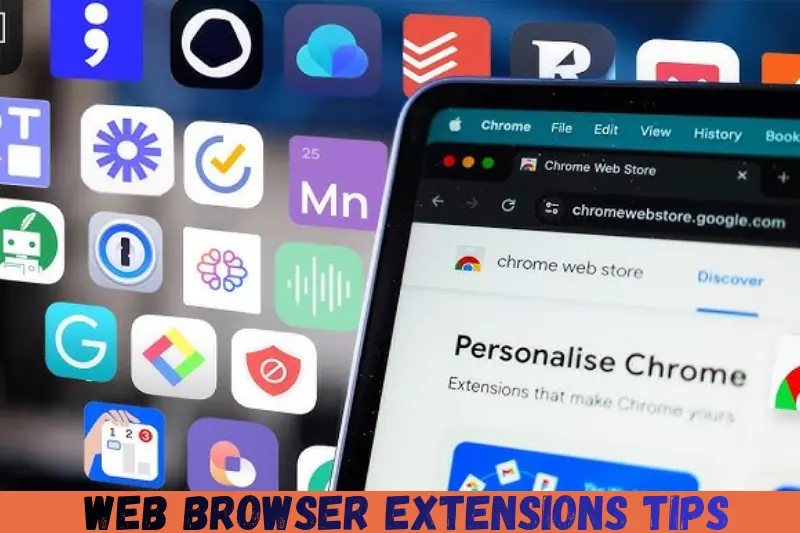
Understanding web browser extensions tips is important because extensions directly affect how your browser performs. Without proper knowledge, users may install harmful or unnecessary add-ons.
First, good tips help protect your privacy. Some extensions request too many permissions. Knowing what to allow keeps your data safe. Second, tips help improve speed by reducing clutter and background activity. Third, they guide users toward trusted sources and safe practices.
Overall, these tips help users stay efficient, secure, and confident while browsing the internet daily.
Detailed Step-by-Step Guide
Step 1: Identify Your Needs
Start by deciding what you want to improve. Do you need better security, productivity, or convenience? Clear goals prevent unnecessary installations.
Step 2: Choose Trusted Extension Stores
Always use official browser stores. These platforms review extensions and reduce the risk of malware.
Step 3: Check Reviews and Ratings
Read user feedback carefully. High ratings and recent updates are good signs of reliability.
Step 4: Review Permissions Carefully
Before installing, check what data the extension can access. Avoid tools that request more access than needed.
Step 5: Install One Extension at a Time
Install extensions slowly and test their impact. This makes it easier to spot performance issues.
Step 6: Manage and Organize Extensions
Disable extensions you do not use often. Keeping only essential tools improves browser speed.
Step 7: Update Extensions Regularly
Updates fix bugs and security issues. Enable automatic updates when possible.
Step 8: Remove Unused Extensions
Delete extensions that no longer serve a purpose. This reduces risk and keeps your browser clean.
Benefits of web browser extensions tips
- Improve browsing speed and efficiency
- Enhance online security and privacy
- Help users stay organized and focused
- Reduce distractions while working online
- Customize browser features easily
- Save time on repetitive tasks
Disadvantages / Risks
- Poorly designed extensions may slow browsers
- Some extensions can collect personal data
- Too many add-ons increase security risks
- Outdated extensions may cause errors
- Conflicting extensions can break websites
Common Mistakes to Avoid
Many users install too many extensions at once. This often leads to slow performance and confusion. Another mistake is ignoring permissions during installation. Always read them carefully.
Some users forget to update or remove unused extensions. This creates unnecessary security risks. Finally, trusting unknown developers without research can lead to serious problems.
FAQs
What are browser extensions?
Browser extensions are small software tools that add features to your web browser.
Are browser extensions safe to use?
Most are safe when installed from official stores and used carefully.
How many extensions should I install?
Only install what you truly need to avoid performance issues.
Can extensions slow down my browser?
Yes, too many or poorly optimized extensions can reduce speed.
How do I remove an extension?
Open browser settings, find extensions, and select remove or disable.
Do extensions work on all browsers?
No, some extensions are browser specific and may not work everywhere.
Expert Tips & Bonus Points
Experts recommend reviewing extensions every month. This habit helps remove unused tools. Another tip is to group similar extensions and keep only the best one. Always stay informed about updates and security alerts.
Using profiles for different tasks can also help. For example, keep work extensions separate from personal browsing. These expert-level web browser extensions tips help maintain balance and control.
Conclusion
Browser extensions can greatly improve how we use the internet, but only when managed wisely. Learning how to choose, install, and maintain them is essential for every user. With the right approach, extensions become helpful tools instead of hidden risks.
By following the advice shared in this guide, beginners and intermediate users can avoid common problems and enjoy smoother browsing. Focus on trusted sources, review permissions, and keep your browser clean. Small actions can make a big difference over time.